
Understanding Nutrition & Macronutrients: The Foundation of Your Weight Loss Journey

Nutrition is deeply personal and unique to each individual, but there are certain universal truths and principles that apply to everyone. Whether you're looking to lose weight, build muscle, or just improve your overall health, understanding how to fuel your body is key.
Our food provides us with nutrients, which are divided into two broad categories: macronutrients and micronutrients. Both play essential roles in our health and fitness goals, but today we’re going to focus on macronutrients — the foundation of any successful nutrition plan.

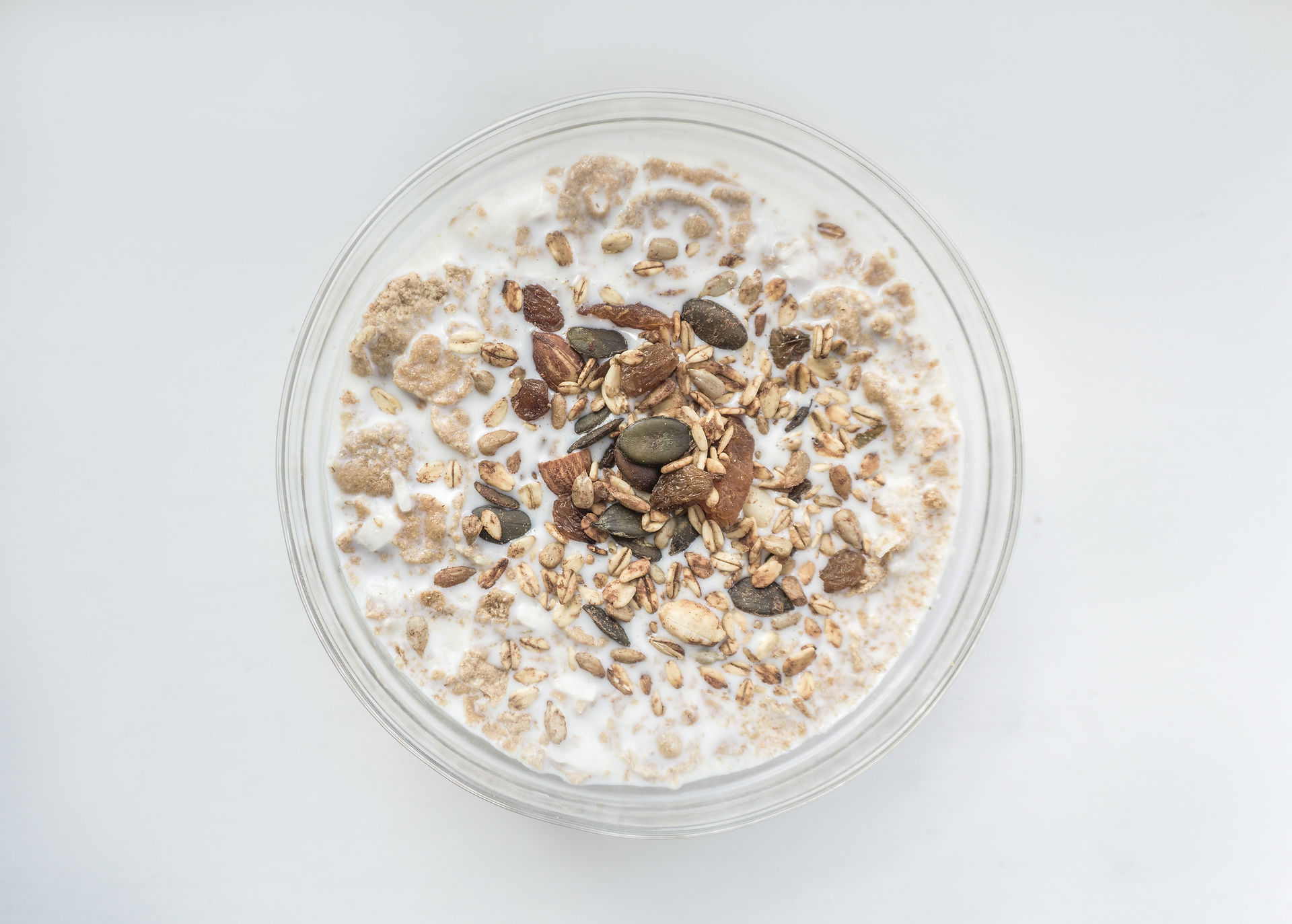

Let’s dive in!
Macronutrients: The Pillars of Your Diet
Macronutrients are the nutrients your body needs in larger quantities to function. These are the building blocks that fuel your energy, aid in recovery, and support the structure of your body.
They include:
Carbohydrates
Proteins
Fats
Fiber
And in my coaching, I also add water (H2O) into this category because it plays a fundamental role in your overall success.
Carbohydrates: The Fuel for Your Body and Brain
Carbohydrates often get a bad rap, with many people associating them with weight gain. The truth is, carbs are an essential fuel source for both your body and your brain. It's not carbs themselves that cause weight gain — it's the quantity of carbs consumed, especially when paired with an overall caloric surplus.
Carbohydrates are found in fruits, vegetables, seeds, nuts, grains, and legumes. However, the issue arises when people focus on highly-processed carbs like white bread, sugary baked goods, and fast food. These are the carbs we want to avoid because they provide little nutritional value and can lead to excess fat storage when overconsumed.
Instead, prioritize whole, nutrient-dense carbs like:
Fruits and Vegetables
Whole Grains (quinoa, oats, barley, brown rice)
Legumes (beans, lentils)
Nuts and Seeds
Aim to consume at least 30-40% of your daily calories from carbohydrates. Each gram of carbs provides 4 calories, and getting this balance right can also help you hit your B vitamin requirements and support essential minerals like zinc, magnesium, and copper.
So, next time someone says they’re cutting out carbs, ask if they’re eliminating processed junk or just avoiding nutrient-dense options like fruits and vegetables.
Protein: The Muscle Builder
Protein is the unsung hero of your nutrition. Unfortunately, it's also the nutrient that most people under consume, despite its crucial role in weight loss, muscle repair, and overall health. Protein is made up of amino acids, which are the building blocks of muscle tissue.
If you're on a fat loss journey or training regularly, you should aim to consume 0.8 - 1g of protein per pound of body weight, or 1-1.5g per kg of body weight. This typically makes up 30-40% of your daily caloric intake.
For example, if you weigh 75kg, your target protein intake would be between 75g - 112.5g of protein daily. However, the protein in food doesn’t always equate directly to its net protein content. For example, 100g of chicken breast provides around 30g of protein. So, you’ll need to calculate how much chicken (or other protein sources) you need to meet your daily protein goal.
Protein is found in:
Animal Protein (meats, fish, eggs, dairy)
Legumes and Beans
Whole Grains (like quinoa and oats)
Nuts and Seeds
Protein Supplements (whey, pea, soy protein)
Protein is vital for muscle preservation and growth, but it’s also beneficial for fat loss. Here’s why: protein takes more energy for your body to digest compared to fats or carbs. It’s known as the Thermic Effect of Food (TEF), which means that consuming protein increases calorie burn simply because it requires more energy to digest and metabolize.
When you’re in a caloric deficit, having adequate protein helps preserve muscle mass, which in turn helps maintain your metabolism. More muscle equals more calories burned, even at rest.
Fats: Essential for Hormone Balance and Organ Health
Fats are another nutrient that many people misunderstand or avoid unnecessarily. While it’s true that overconsumption of unhealthy fats can contribute to weight gain, healthy fats are absolutely essential for your body to function properly.
Fats help your body metabolize protein, produce hormones, and protect internal organs. They also support brain function and keep your skin healthy. The key, however, is choosing the right types of fats.
Healthy fats are found in:
Avocados
Nuts and Seeds
Olive oil
Fatty fish (salmon, mackerel, sardines)
In contrast, trans fats and excessive saturated fats found in processed foods should be limited, as they contribute to inflammation and poor health.
Fat is calorie-dense, with 1 gram of fat providing 9 calories. You only need about 20-30% of your daily caloric intake from fats, depending on your goals. Be mindful of portions, as it's easy to go overboard, especially with calorie-dense foods.
Fiber: The Unsung Hero for Digestion and Detox
Fiber might not be as glamorous as protein or carbs, but it’s a critical component of a healthy diet, and many people don’t get enough of it. Fiber helps with digestion, promotes regularity, and helps eliminate toxins from your body.
There are two types of fiber:
Soluble fiber, which helps lower cholesterol and regulate blood sugar levels.
Insoluble fiber, which adds bulk to stool and supports regular bowel movements.
Aim for 25-35g of fiber per day, which can easily be achieved through a diet rich in fruits, vegetables, grains, and seeds.
When you don’t get enough fiber, waste products can accumulate in your digestive system, leading to poor digestion and possibly even fat storage. Fiber helps to sweep away toxins and fats from the digestive tract, so it plays a big role in your overall health and weight management.
Water: The Vital Ingredient for Success
Water is an often-overlooked macronutrient that is absolutely essential for life. Our bodies are made up of 65-75% water, and it’s required for every cellular process, including digestion, nutrient absorption, and muscle recovery.
Dehydration can impair performance, increase fatigue, and lead to muscle cramps. In fact, dehydration can even slow down your metabolism, making it harder to burn fat.
As a general rule, you need about 1 liter of water per 30kg of body weight. So for a 60kg person, that would be about 2 liters of water a day, and for a 90kg person, about 3 liters. If you exercise regularly or sweat a lot, you'll need more.
Keep in mind that things like tea, coffee, and alcohol don't count as water. Stick to plain water, or herbal teas without added sugar or milk.
Why This Matters: The Quick-Fix Diets Don’t Work
The reason why most quick-fix diets fail is that they neglect to account for the balance of macronutrients. Many diets restrict entire food groups or rely on supplements, but the key to long-term success lies in a balanced, sustainable approach.
Fat loss should always be the goal — but without muscle loss. When we don’t consume enough of each macronutrient, our body can’t protect its muscle or bone structure, which leads to muscle wastage. And the more muscle we lose, the slower our metabolism becomes, making it harder to maintain weight loss over time.
By getting the right balance of carbs, protein, fat, fiber, and water, we can preserve muscle mass, support our metabolism, and create a sustainable eating plan that works for the long haul.
In Conclusion:
It’s not about cutting out food groups or following the latest diet trend. It’s about understanding how macronutrients and micronutrients work together to fuel your body and support your fitness goals. In the coming weeks, we’ll dive deeper into how to calculate your metabolic rate and design a nutrition plan that you can stick with for life.
Stay tuned!
What’s your approach to nutrition? Let me know in the comments — I’d love to hear how you’re balancing your macros and how it's impacting your journey!



Comments