
Vaalkat Waterfall Ravine Hike

It’s amazing how much can change in just one year. Last year, around this time, I was wandering through one of the world’s most culturally vibrant cities—Singapore—hiking up a hill. This morning, I found myself hiking up Table Mountain in Cape Town, surrounded by one of the richest ecosystems of flora and fauna on the planet.
I truly feel so fortunate to have had the opportunity to hike in different corners of the world. But what’s even more incredible is calling a city like Cape Town home, with this stunning natural wonder right at my doorstep. Feeling beyond blessed.

Table Mountain is a famous mountain in Cape Town, South Africa. It's known for its flat top, which resembles a table, and is considered one of the world's most famous mountains and one of the seven wonders of the world.
Features:
Height: 3,563 ft (1,086 m) above sea level
Composition: Made of sandstone and granite
Formation: Formed when South America and Africa collided to create the supercontinent Pangaea
Wildlife: Home to the rock hyrax and the Table Mountain Ghost Frog
Flora: Home to 8,200 plant species, including fynbos, which make up 80% of the plant life
Endemic species: 70% of the plants and animals found on Table Mountain are endemic, meaning they can't be found anywhere else in the world
Every February, nature puts on a brief but spectacular show in the Table Mountain area with the blooming of the Cape Disa, a flower that only graces the landscape for a couple of weeks each year. This stunning flower is part of the Orchid family and is a sight to behold during its short flowering period. The Cape Disa’s delicate beauty is not just in its appearance but also in its unique growing conditions. It thrives in sunny but wet environments, needing a balance of warmth and moisture to flourish. However, it also seeks a touch of shade, especially during the cooler hours of early morning and evening, making it a flower that’s quite particular about its habitat.

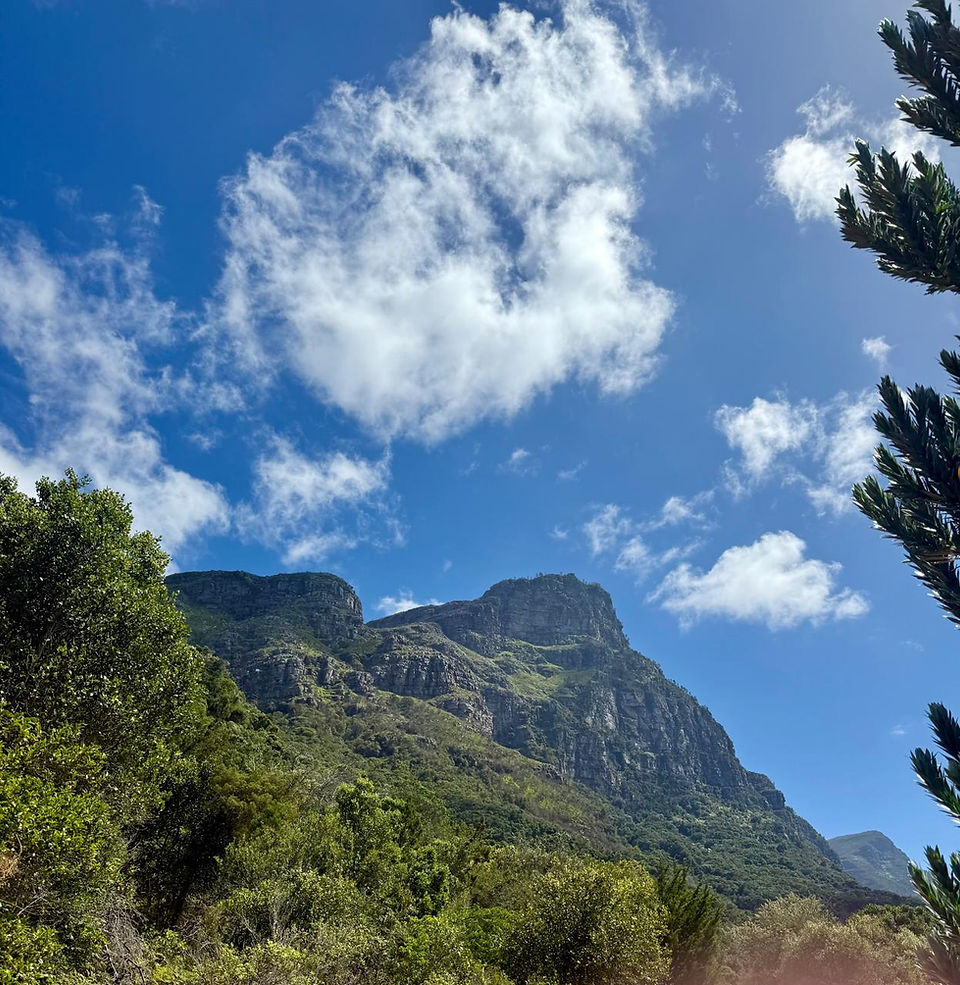

You'll find the Cape Disa mostly in the aqueduct regions, where the rivers and streams weave through the mountain's landscape. These areas offer the perfect blend of moisture and shade, ideal for the Disa's growth. The flower also tends to grow in abundance around the waterfalls and ravines on the shaded side of Table Mountain, where the terrain offers the right mix of elements for it to bloom in full splendor.
This brief bloom, although fleeting, is a reminder of the delicate balance of nature and the way specific conditions allow rare and beautiful species like the Cape Disa to thrive. For those lucky enough to witness it, the Cape Disa’s appearance is one of the highlights of the year, making it a true gem of the region. But as with all wonders of nature, you’ll need to be quick to catch it in full bloom, as its time in the spotlight is all too brief.
A Little more about the actual Disa flower before I tell you about the day.
The "Cape Disa" refers to the "Red Disa" (Disa uniflora), a vibrant red orchid native to the Western Cape region of South Africa, considered the provincial flower due to its striking appearance and prevalence in the Cape Floral Kingdom; it is often seen growing on Table Mountain and is pollinated by the "Mountain Pride" butterfly.
Key points about the Cape Disa:
Scientific Name: Disa uniflora
Common Name: Red Disa
Region: Western Cape, South Africa
Distinctive Feature: Deep red petals with a hooded sepal and a long spur
Pollinator: Mountain Pride butterfly (Aeropetes tulbaghia)
Significance: Considered the official flower of the Western Cape province


Interesting facts about the Disa genus:
Diverse Genus:
The genus "Disa" includes a large number of orchid species, most of which are found exclusively in the Cape Floral Region.
Naming Origin:
The genus name "Disa" is derived from Queen Disa, a figure in Swedish mythology.
Other Disa Species:
Besides the Red Disa, other notable Disa species include the Blue Disa (Disa graminifolia).
Every year, when I’m in Cape Town during February, I make it a point to trek up to the Dams and Aqueduct Ravine at the top of Table Mountain to catch a glimpse of the stunning Cape Disa flowers. But this year, I decided to step out of my comfort zone and join a group I didn’t know, led by people who know the mountain far better than I do—the Kirstenbosch Botanical Society Volunteers.
These knowledgeable volunteers lead a hike once a month, sharing their expertise about the mountain’s flora and its hidden gems. If you’re interested, click on the link to get more details about their hikes.
Now, if you know me, you’ll understand that I’m not exactly a fan of big crowds or unfamiliar faces. But the group turned out to be small and friendly, so off we went. And what a lovely day it turned out to be! The weather was perfect for hiking—cool but sunny—and the shaded route on the Kirstenbosch side of the mountain was, as always, stunning.


We started from the Cecilia Forest parking area and quickly made our way up the stairs toward the contour path. As we ascended, the fresh, earthy scent of the trees and the surrounding ferns filled the air, a beautiful reminder of nature’s simple wonders.
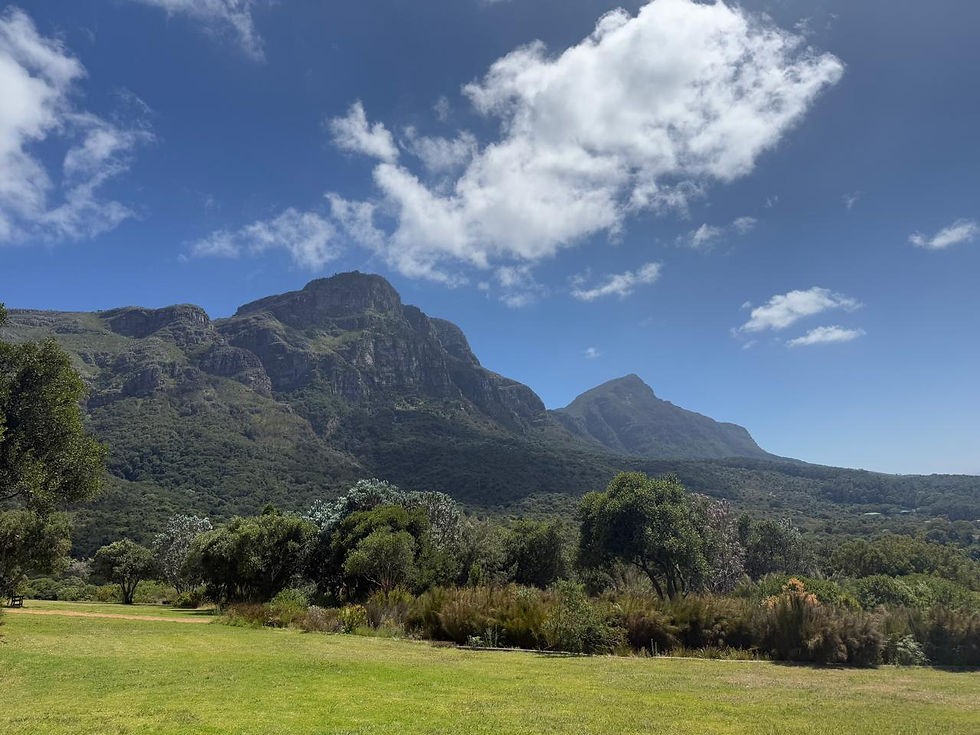
The hike to Vaalkat Ravine is about 3 kilometers, and it’s nothing short of breath taking. Along the way, the Botanical Society members shared fascinating insights about the indigenous trees, as well as pointing out the non-indigenous species. The gradual climb along the contour path offered spectacular views over the upper part of Kirstenbosch Gardens and across the Constantia Wine Valley.


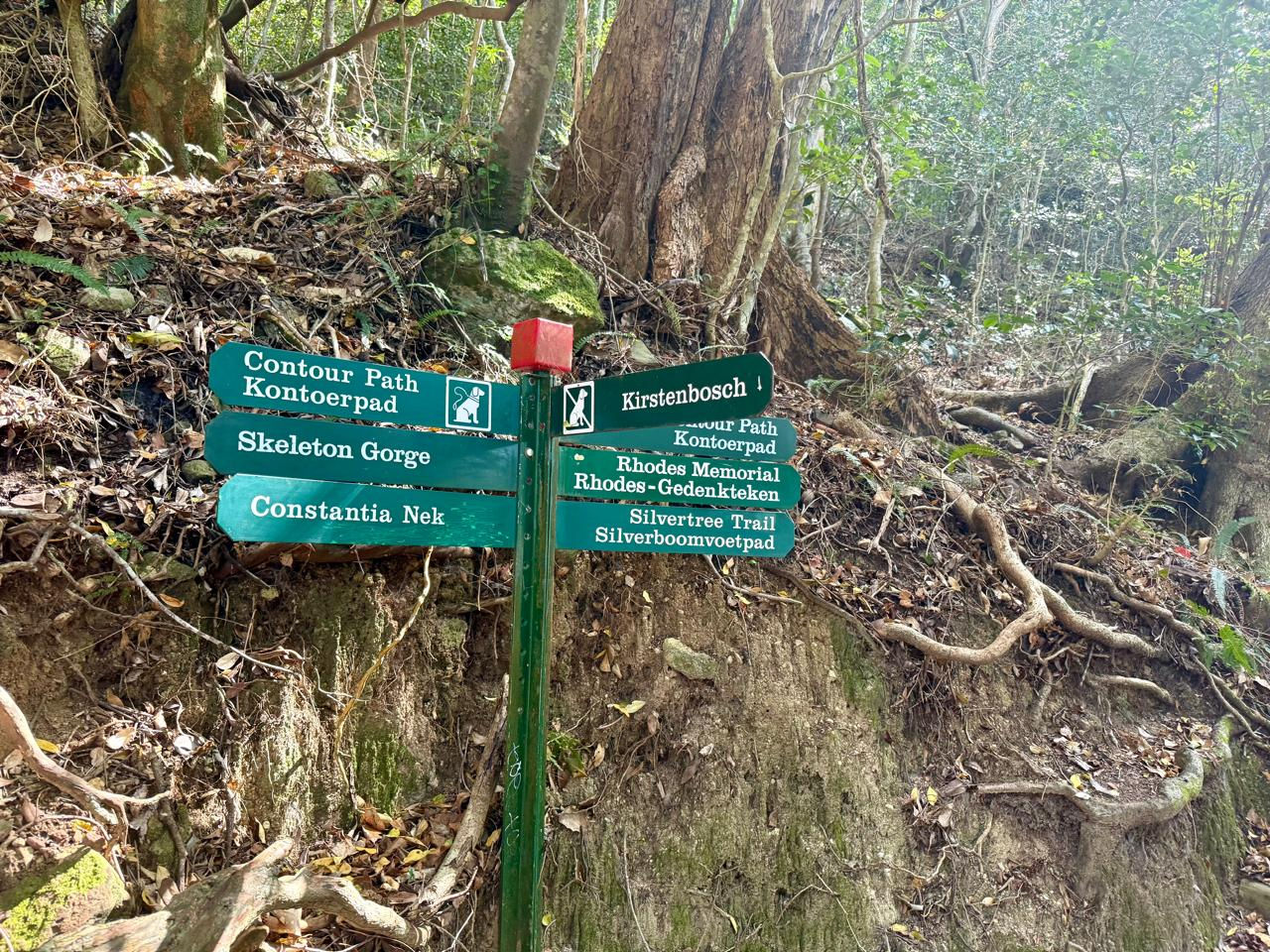
When we reached the sharp climb into Vaalkat Ravine, we were rewarded with a magnificent sight: the Cape Disa flowers in full bloom. This year, there weren’t as many as we usually see in the Aqueduct, but it was still awe-inspiring. The highlight was watching a butterfly gently pollinate one of the Disa flowers, a magical moment to witness in the wild. There are only one specie of butterfly That pollinate the Disa.
The Mountain Pride butterfly (Aeropetestulbaghiacap A e r o p e t e s t u l b a g h i a
𝐴𝑒𝑟𝑜𝑝𝑒𝑡𝑒𝑠𝑡𝑢𝑙𝑏𝑎𝑔ℎ𝑖𝑎) is the only known pollinator of the red disa orchid (𝐷𝑖𝑠𝑎𝑢𝑛𝑖𝑓𝑙𝑜𝑟𝑎).
Explanation
The Mountain Pride butterfly is strongly attracted to the color red.
It's so large that it's sometimes mistaken for a small bird.
It's crucial to the survival of red-flowered species because most other insects can't detect red.
It also pollinates other red-flowered species, such as the red crassula and
Disaferrugineacape 𝐷𝑖𝑠𝑎𝑓𝑒𝑟𝑟𝑢𝑔𝑖𝑛𝑒a This was incredibly special to see it!


From there, we continued along the contour path, surrounded by towering trees—nature’s gentle giants. As we passed Nursery Ravine and Skeleton Gorge, we marvelled at the wild almond trees and countless species of ferns. One of the highlights was seeing the stump of the oldest Yellowwood tree in Kirstenbosch (Picture Far Right) . This tree, which dates back to 1912 or possibly even earlier, was spared from being cut down simply because its top was blown off in a storm, rendering it "unusable" at the time.

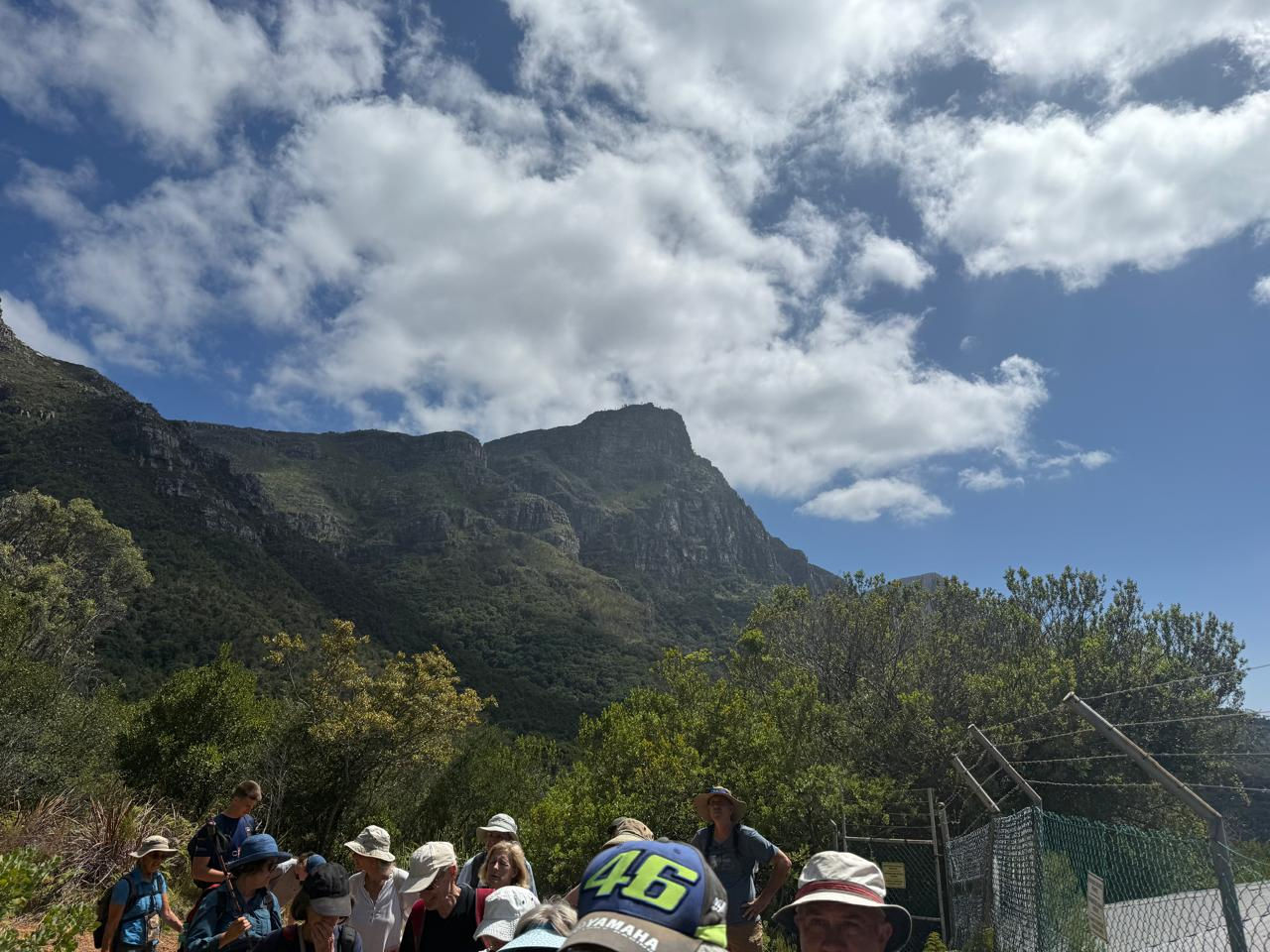

As we made our way further, we encountered a stunning variety of Proteas and members of the Protea family, as well as a pair of Silver Trees—fascinating because there are distinct male and female trees in this species! We then descended toward Upper Kirstenbosch, where the group split. Some went off to enjoy a well-deserved tea in the Gardens, while others, including myself, continued down to the lower part of the garden, heading back to the Cecilia Forest parking area.


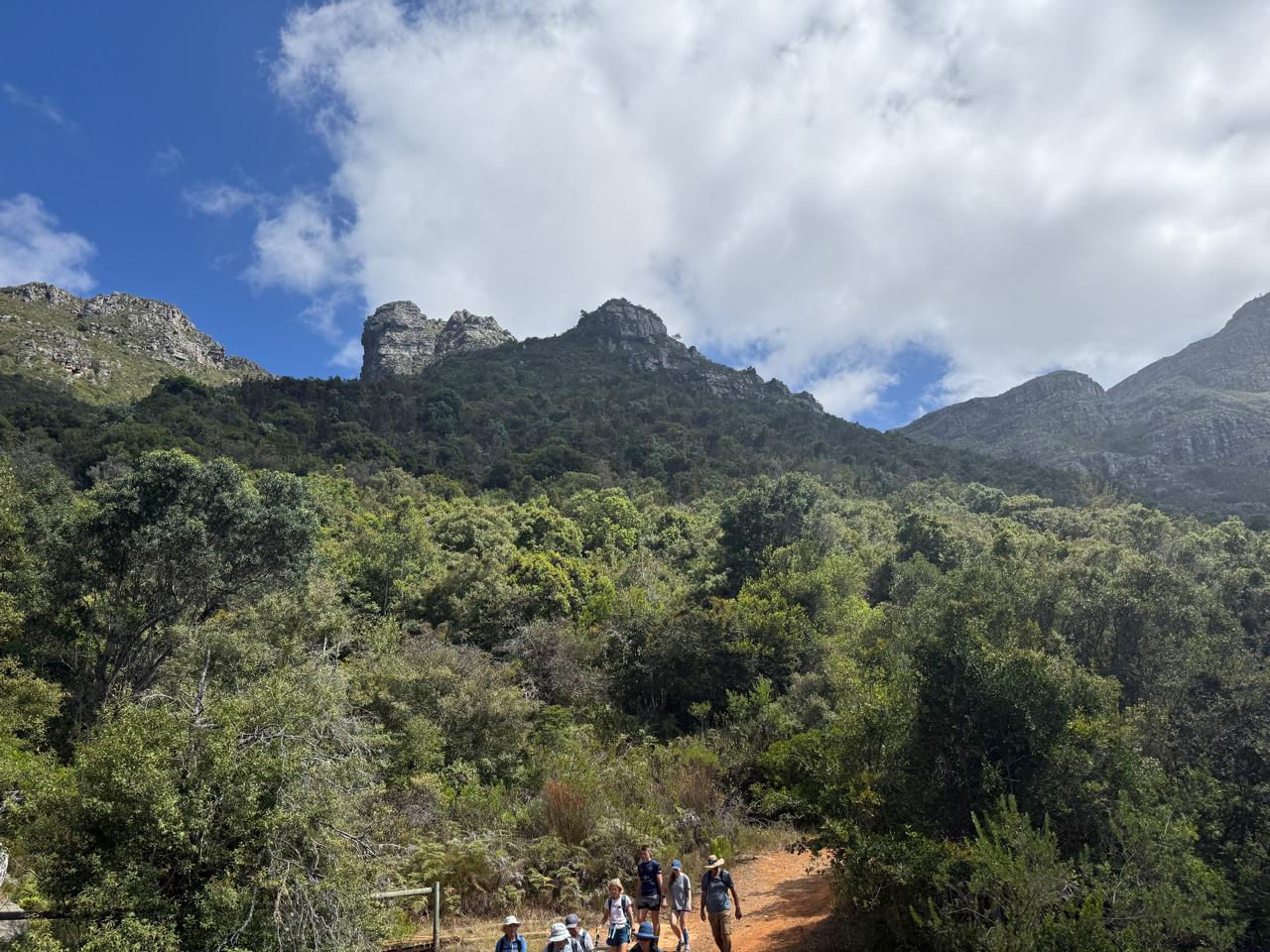

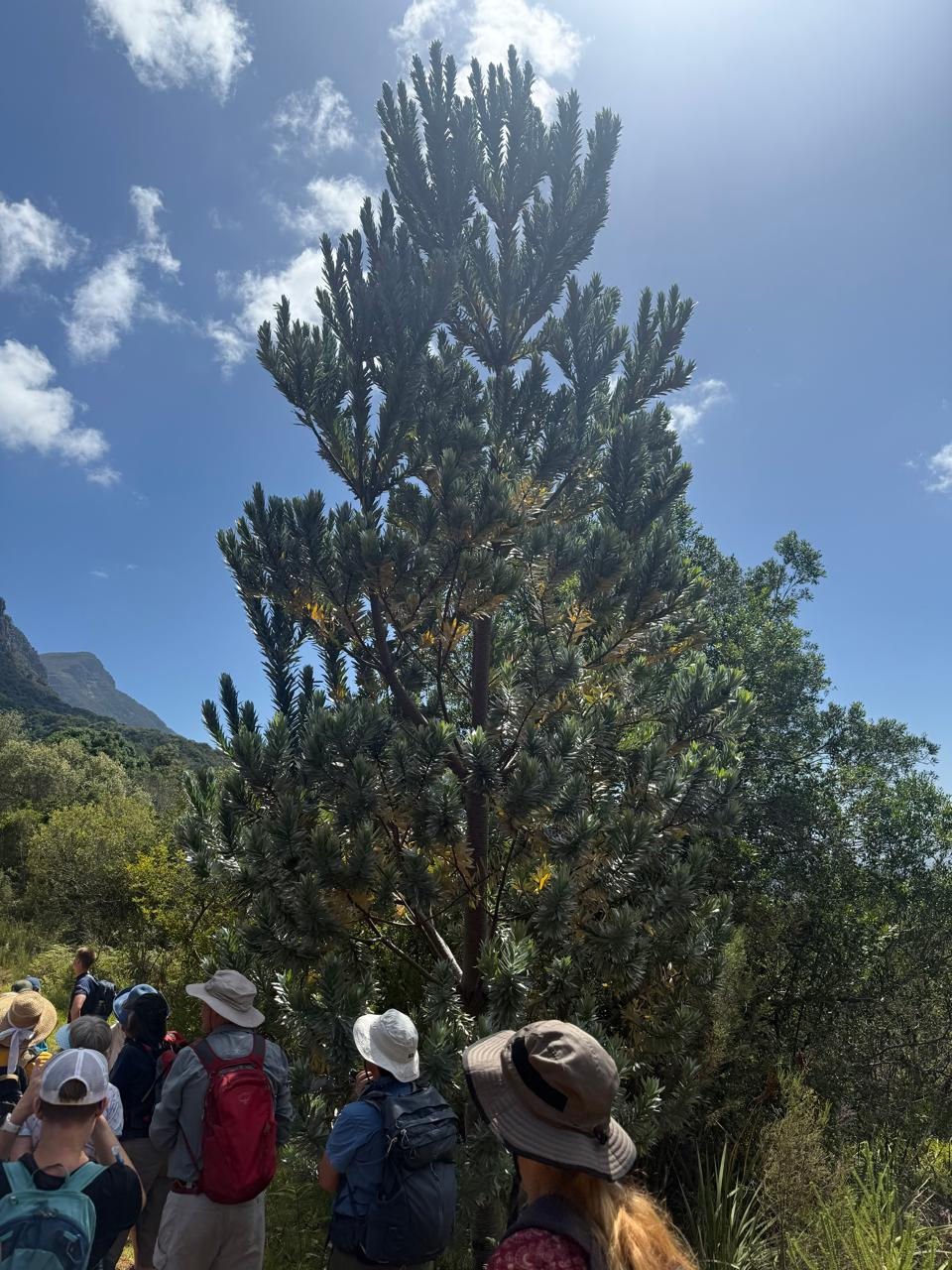


I took hundreds of Photos today - it is physically impossible to put them all here. But I hope you get a glimpse of what we experienced today.
It was a day of both exploration and relaxation, with a perfect balance of nature’s wonders and the camaraderie of a lovely group of fellow hikers.


Comments